

7 Marketing Workflow Automations That Transform Your Business Operations
23 Jan 2026Introduction
Marketing workflow automations have become essential tools for businesses looking to maximize efficiency while maintaining personal connections with customers. These automated systems handle repetitive tasks, allowing marketing teams to focus on strategy and creative work that truly moves the needle.
Understanding Marketing Workflow Automations
A marketing workflow automation is a system that automatically performs marketing tasks based on predefined triggers and conditions. When a customer takes a specific action, the automation responds with the appropriate message or task without requiring manual intervention from your team.
The process is built on three core components. Actions are the tasks that need to be completed, such as sending an email or updating customer information. Conditions determine when these actions should happen, like a customer clicking a specific link. Triggers are the events that set everything in motion, such as someone subscribing to your newsletter.
Welcome Series Automations
First impressions are created through welcome series automations. When someone subscribes to your list or creates an account, an automated sequence of messages is triggered to introduce your brand and set expectations.
Value is delivered immediately through these sequences. Your brand story is shared in the first email, helping new subscribers understand your mission and what makes you unique. Educational content is provided in follow-up messages, teaching customers how to get the most from your products or services.
Personalization is enhanced by collecting information about subscriber interests through surveys or preference centers. This data is used to tailor future communications and make each interaction more relevant.
Lead Nurturing Automations
Prospects are guided through their buying journey by lead nurturing automations. These workflows deliver the right content at the right time based on prospect behavior and engagement levels.
Educational value is prioritized over sales pitches in effective nurturing campaigns. Webinars and demonstrations are offered to showcase how solutions work in practice. Case studies are distributed to prove results and build confidence.
Engagement signals are tracked throughout the process. Email opens and link clicks are monitored to gauge interest levels. Website visits and content downloads are logged to understand which topics resonate most. The automation adapts its messaging based on where each prospect stands in their journey.
Customer Onboarding Automations
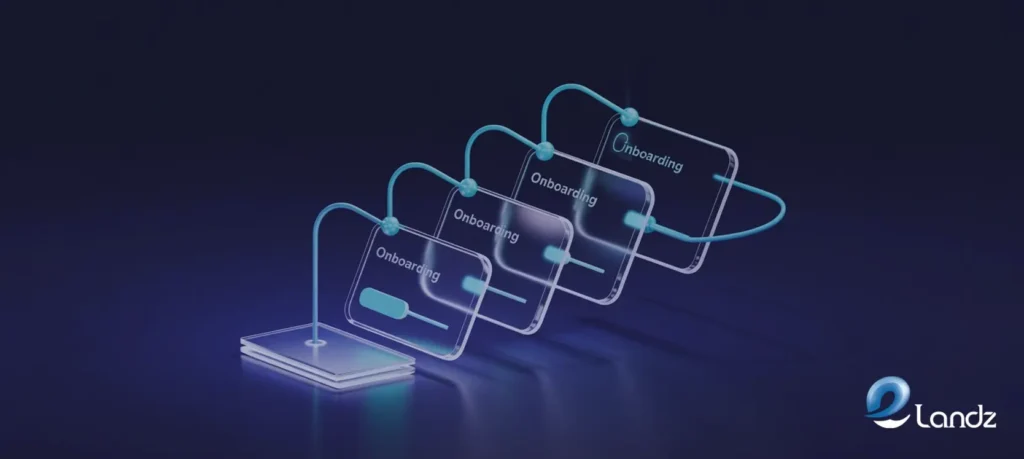
New customers are welcomed and educated through onboarding automations. These workflows ensure every customer receives consistent guidance during their critical first weeks with your product or service.
Success is accelerated when customers receive step-by-step instructions automatically. Setup guides are delivered immediately after purchase. Tutorial videos are sent progressively to avoid overwhelming new users.
Support is proactively offered before customers encounter problems. Common questions are answered through automated FAQ sequences. Check-in messages are sent at key milestones to ensure satisfaction.
Abandoned Cart Recovery Automations
Revenue is recovered through abandoned cart automations that re-engage shoppers who left without completing their purchase. These gentle reminders often include incentives to encourage conversion.
Cart abandonment is addressed through a multi-step approach. Product benefits are reinforced in the second message, addressing potential objections. A limited-time incentive is offered in the final email to create urgency.
Trust is reinforced by including reassurances throughout the sequence. Return policies are highlighted to reduce purchase anxiety. Support contact information is provided for anyone with questions.
Post-Purchase Engagement Automations
Relationships are strengthened after the sale through post-purchase automations. These workflows transform one-time buyers into loyal customers who return again and again.
Appreciation is expressed immediately through order confirmation and thank-you messages. Purchase details are summarized clearly. Delivery expectations are set to avoid confusion.
Value is extended beyond the initial purchase. Complementary products are recommended based on the original purchase. Care instructions or usage tips are shared to maximize product lifespan.
Re-engagement Campaign Automations
Inactive contacts are revived through re-engagement automations. These workflows identify subscribers who have stopped interacting and attempt to win them back before removing them from your list.
Attention is recaptured through compelling subject lines and offers. Curiosity is sparked with questions like “Did we do something wrong?” Incentives are offered to encourage renewed engagement.
List health is maintained by removing truly unengaged subscribers. Deliverability improves when inactive addresses are removed. Marketing costs decrease by not sending to people who won’t respond.
Event Promotion Automations
Attendance is maximized through event promotion automations that manage the entire lifecycle of webinars, conferences, and other events. Registration is streamlined and reminders are sent automatically.
Registrations are confirmed immediately with all necessary details. Preparation materials are shared to help attendees get ready. Excitement is built through countdown messages and speaker highlights.
Engagement is extended beyond the live event. Recording links are sent to registrants who couldn’t attend. Follow-up surveys are distributed to gather feedback and measure satisfaction.
Survey and Feedback Automations
Insights are gathered systematically through survey automations that collect customer opinions at key moments in their journey. This feedback is used to improve products, services, and customer experience.
Timing is optimized to catch customers when feedback is most relevant. Post-purchase surveys are sent after delivery and initial use. Milestone surveys are sent at subscription anniversaries or usage benchmarks.
Action is taken based on survey responses. Satisfied customers are invited to leave public reviews. Common themes are identified and addressed through product improvements.
Lead Scoring and Segmentation Automations
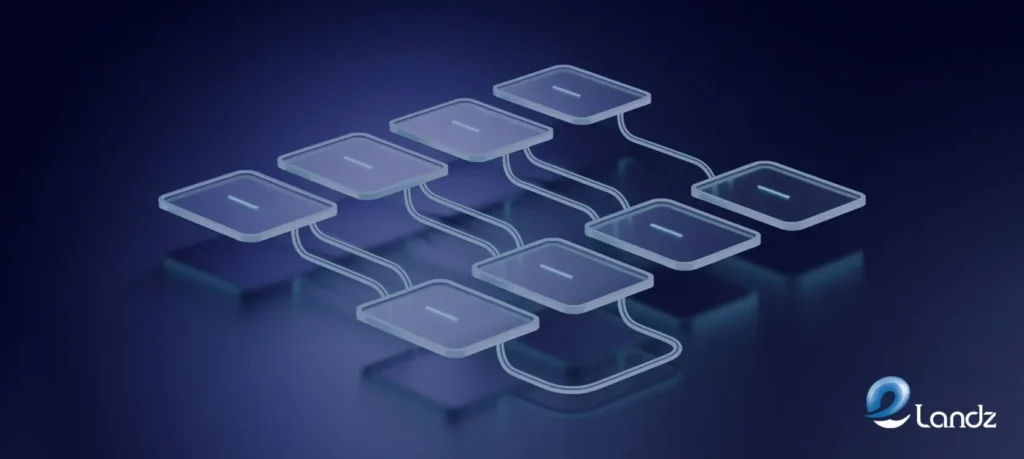
Prospects are prioritized through lead scoring automations that assign points based on engagement behaviors and demographic fit. This ensures sales teams focus on the most promising opportunities.
Scores are calculated based on multiple factors. Email engagement earns points for opens and clicks. Demographic data is weighted based on ideal customer profiles.
Efficiency is gained as resources are allocated appropriately. Sales time is spent on prospects most likely to convert. Content is tailored to the specific interests of each group.
Cross-sell and Upsell Automations
Revenue is increased through cross-sell and upsell automations that recommend relevant products to existing customers. These timely suggestions feel helpful rather than pushy when done correctly.
Recommendations are based on purchase history and behavior. Complementary products are suggested that enhance the original purchase. Consumable products are recommended before customers run out.
Value is demonstrated clearly to justify additional purchases. Benefits are explained in customer-focused language. Exclusive discounts are offered to reward loyalty.
Multi-channel Coordination Automations
Consistency is maintained across channels through automations that coordinate email, SMS, social media, and other touchpoints. Customers receive a unified experience regardless of how they interact with your brand.
Channels are selected based on customer preferences and message urgency. Email is used for detailed content and less time-sensitive messages. Push notifications are sent for immediate actions like abandoned cart reminders.
Performance is measured across all channels. Open rates and click rates are compared between channels. Customer preferences are analyzed to optimize channel selection.
Customer Loyalty Program Automations
Repeat business is encouraged through loyalty program automations that reward customer engagement and purchases. These programs are managed automatically to ensure consistent recognition and rewards.
Points are awarded automatically based on purchase behavior. Transactions are tracked and points are credited immediately. Tier status is updated automatically as thresholds are reached.
Retention is improved as customers become invested in the program. Redemption reminders encourage continued participation. Win-back campaigns target members who have become inactive.
Analytics and Reporting Automations
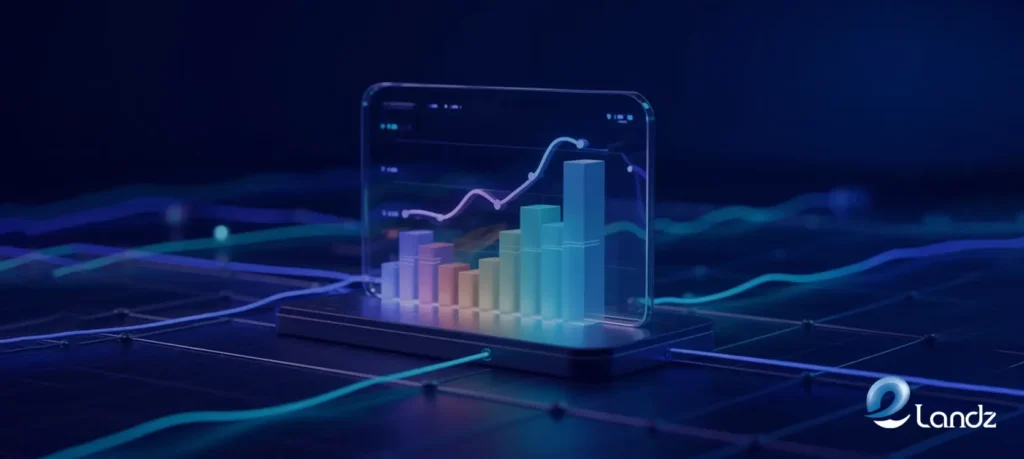
Performance is tracked through automated reporting that delivers insights without manual data compilation. Marketing teams receive regular updates on campaign performance and customer behavior.
Dashboards are populated automatically with current data. Campaign metrics are updated in real-time. Revenue impact is calculated and displayed clearly.
Insights are actionable when reports highlight what matters most. Trends are identified through period-over-period comparisons. Recommendations are included based on data patterns.
Social Media Automation Workflows
Social presence is maintained through automations that schedule posts, monitor mentions, and engage with followers. Consistent activity is achieved without requiring constant manual posting.
Content is scheduled in advance across platforms. Evergreen content is recycled at appropriate intervals. Platform-specific formatting is applied automatically.
Performance is analyzed to optimize future content. Engagement rates are calculated for each post type. Content themes are evaluated based on audience response.
CRM Integration Automations
Data is synchronized between marketing and sales systems through CRM integrations. Customer information is kept current and accessible to all teams who need it.
Records are created automatically when new leads enter the system. Form submissions are captured and stored immediately. Duplicate records are prevented through matching logic.
Handoffs are managed smoothly between marketing and sales. Qualified leads are assigned to sales reps automatically. Notifications are sent when leads reach key milestones.
Content Delivery Automations
Educational resources are distributed through content delivery automations that provide value while building relationships. Subscribers receive relevant materials based on their interests and stage in the customer journey.
Libraries are organized by topic and customer persona. Content is tagged with relevant categories and keywords. Progressive profiling collects information about interests over time.
Gating is applied strategically to balance lead generation and user experience. High-value assets require contact information. Returning visitors bypass forms through cookie tracking.
Seasonal Campaign Automations
Holiday and seasonal opportunities are capitalized on through pre-planned automations. These workflows are set up once and triggered annually, reducing the scramble that often accompanies seasonal marketing.
Campaigns are scheduled well in advance of key dates. Black Friday sequences are activated in early November. Valentine’s Day campaigns launch in late January.
Results are documented for continuous improvement. Performance is compared year over year. Underperforming components are revised or eliminated.
Measuring Marketing Workflow Automation Success
Results are tracked through specific metrics that reveal automation performance and business impact. Regular measurement ensures workflows continue delivering value over time.
Engagement metrics are monitored closely. Open rates indicate subject line and sender name effectiveness. Unsubscribe rates reveal when frequency or content misses the mark.
Conversion metrics demonstrate business value. Lead-to-customer rates are calculated for nurture workflows. Return on investment is measured against automation platform costs.
Getting Started With Marketing Workflow Automations
Implementation is approached systematically for the best results. Starting small and expanding gradually is recommended rather than trying to automate everything at once.
Priorities are established based on business needs and opportunity. Revenue-generating workflows are implemented early for quick wins. Customer experience improvements are addressed to reduce churn and increase satisfaction.
Testing is conducted before full deployment. Sample audiences receive workflows first to identify issues. Feedback is gathered from early recipients to refine messaging.
Conclusion
Marketing workflow automations have transformed how businesses communicate with prospects and customers. Time is freed for strategic thinking and creative work. Consistency is maintained across all customer touchpoints.
The workflows described here represent proven approaches that have delivered results across industries and business sizes. Implementation should be approached thoughtfully, starting with the automations that address your biggest challenges or opportunities.
Businesses that embrace marketing automation gain significant competitive advantages. Response times are shortened through instant automated replies. Customer lifetime value is increased through consistent engagement and timely offers.
Frequently Asked Questions
What are marketing workflow automations?
Marketing workflow automations are systems that automatically perform marketing tasks based on predefined triggers and conditions. When customers take specific actions, appropriate responses are delivered without requiring manual intervention from marketing teams.
How do marketing workflow automations save time?
Time is saved because repetitive tasks are handled automatically. Welcome emails are sent without manual effort. Follow-up messages are triggered based on customer behavior rather than calendar reminders.
Which marketing workflow automation should be implemented first?
The first automation should address your biggest pain point or opportunity. Businesses with many new subscribers benefit from welcome series automations. Organizations focused on lead generation often start with lead nurturing workflows.
How much do marketing workflow automation tools cost?
Costs vary widely based on features and subscriber count. Basic plans for small businesses start around twenty dollars monthly. Enterprise solutions can cost thousands of dollars monthly but include advanced features and dedicated support.
How often should marketing workflow automations be updated?
Workflows should be reviewed quarterly at minimum. Performance data is analyzed to identify improvement opportunities. New features from automation platforms should be evaluated and implemented when beneficial.
Can marketing workflow automations work for small businesses?
Small businesses often benefit most from automation because resources are limited. Simple workflows can be created with affordable tools. Consistency is maintained even when staff availability varies.
How is success measured for marketing workflow automations?
Success is measured through engagement metrics like open rates and click-through rates. Conversion metrics such as lead-to-customer rates and revenue per email are tracked. Efficiency gains are calculated by measuring time saved and increased team capacity.
What mistakes should be avoided with marketing workflow automations?
Common mistakes include automating too much too quickly, which overwhelms both teams and customers. Generic messaging fails to engage because personalization is ignored. Testing is skipped, resulting in embarrassing errors reaching customers.