


Marketing Automation Trends Every Business Should Invest In
06 Nov 2025Introduction
Marketing automation trends are transforming how businesses connect with customers and drive growth. Companies that embrace these innovations gain powerful advantages over competitors still relying on manual processes. The digital landscape demands smarter, faster, and more personalized approaches to reach today’s consumers.
Why Marketing Automation Matters Now
he average business wastes countless hours on repetitive marketing tasks. Email campaigns, social media posts, and lead follow-ups eat up valuable time that could be devoted to strategy and creativity. Marketing automation solves this problem by handling routine work automatically while delivering better results. Modern customers expect personalized experiences at every touchpoint, and automation makes this possible at scale.
Data shows that businesses using automation see real financial benefits. Sales productivity increases by 14.5% on average, while marketing costs drop by 12.2%. These improvements translate directly to higher profits and more efficient operations. Companies that delay automation adoption risk falling behind competitors who are already reaping these rewards.
AI-Powered Personalization Takes Center Stage
Artificial intelligence has moved from buzzword to essential tool in marketing automation. AI algorithms analyze customer behavior patterns to predict what each person wants before they even ask. This predictive power enables businesses to deliver the exact right message at the precise moment. Traditional marketing relied on broad customer segments, but AI creates unique profiles for every individual.
The results speak for themselves when businesses implement AI personalization. Email open rates climb higher because subject lines match individual preferences. Product recommendations convert better because they align with actual customer interests. Website experiences adapt in real-time based on visitor behavior, creating engagement that generic content cannot match.
Predictive Analytics Reveals Future Opportunities
Looking backward at past performance only tells part of the story. Predictive analytics flips the script by forecasting what will happen next based on historical patterns. Marketing teams can now identify which leads are most likely to convert before spending resources on outreach. These analytics tools also spot customers at risk of leaving before they actually cancel.
Budget allocation becomes more strategic with predictive insights guiding decisions. Marketers see which channels and campaigns will deliver the best returns before committing funds. This reduces wasted spending and maximizes the impact of every marketing dollar. Early warning signals trigger automated retention campaigns designed to address specific concerns.
Omnichannel Orchestration Breaks Down Silos
Customers interact with brands across multiple platforms throughout their journey. They might discover a product on social media, research it via email, and complete the purchase on mobile. Each touchpoint needs to feel connected rather than disjointed and confusing. Omnichannel automation synchronizes messaging across all channels to create seamless experiences.
Traditional multi-channel marketing treats each platform as separate and independent. Omnichannel orchestration recognizes that customers move fluidly between channels and expects consistency. The technology ensures brand messages align perfectly, whether someone engages via web, mobile, or in-store. Studies confirm that businesses using strong omnichannel strategies outperform competitors by significant margins.
Chatbots Revolutionize Customer Interactions

Customer service expectations have skyrocketed as instant gratification becomes the norm. People want answers immediately, regardless of time zones or business hours. Chatbots fill this need by providing 24/7 support without human intervention. Modern chatbots go far beyond simple scripted responses to common questions.
AI-powered conversational interfaces understand context and handle complex inquiries naturally. These automated assistants free human team members to focus on complicated issues requiring personal attention. Chatbots also excel at lead generation by engaging website visitors proactively. The conversational approach feels helpful rather than aggressive, leading to better conversion rates.
Email Drip Campaigns Nurture Leads Automatically
Email remains one of the highest-performing marketing channels despite the rise of newer platforms. Drip campaigns take email effectiveness to another level by automating strategic message sequences.
A new subscriber might receive a welcome email immediately, followed by educational content three days later. If they click specific links, the system triggers targeted messages matching their expressed interests.
Manual email marketing cannot achieve this level of sophistication and timing consistency. Automation ensures every prospect receives appropriate follow-up without anyone falling through the cracks.
Conversion APIs Maximize Advertising Performance
Digital advertising platforms need quality data to optimize campaign performance effectively. Conversion APIs provide a direct connection between your sales systems and ad networks. Traditional tracking methods relied solely on browser cookies and pixels, but these approaches miss conversions that happen offline or across multiple devices. API connections capture complete data regardless of how customers move through their journey.
Ad platforms use this detailed conversion information to improve their automated bidding strategies. They learn which audience segments and creative elements produce the best results. Your advertising budget gets allocated more efficiently toward prospects most likely to convert.
Privacy-First Automation Builds Customer Trust
Data privacy regulations continue expanding globally as consumers demand more control over personal information. Marketing automation must balance personalization with privacy to maintain customer trust and legal compliance. Modern automation platforms include robust consent management systems that track permissions carefully. Customers control exactly what data businesses collect and how they use it.
Privacy-by-design principles minimize data collection to only essential information for specific purposes. Systems anonymize analytics data whenever possible while still generating useful insights. Businesses that ignore privacy concerns face serious consequences beyond regulatory fines. Privacy-focused automation positions companies as trustworthy partners rather than data-hungry corporations.
Review Management Automation Enhances Reputation
Online reviews heavily influence purchase decisions as consumers research products and services. Positive testimonials build credibility while negative feedback drives potential customers toward competitors. Automated review management helps businesses consistently generate and respond to reviews. Requesting reviews manually after every transaction consumes significant time and often gets forgotten.
Automation triggers review requests at optimal moments in the customer journey. AI search engines increasingly factor brand reputation into their recommendations and comparisons. Companies with strong review profiles gain visibility advantages in AI-powered search results. Quick automated responses to concerns demonstrate attentiveness and often turn negative experiences into positive outcomes.
Data Analytics Automation Unlocks Hidden Insights
Marketing generates enormous amounts of data that hold valuable insights when properly analyzed. Manual analysis cannot keep pace with information volume or identify subtle patterns. AI-powered analytics tools process massive datasets to reveal opportunities human analysts would miss. These systems identify customer questions and concerns by analyzing support tickets, social media, and survey responses.
Automated reporting transforms raw numbers into actionable intelligence without requiring data science expertise. Marketing teams access clear dashboards showing what’s working and what needs adjustment. Integration between analytics tools and other automation platforms closes the feedback loop. Insights discovered through analysis trigger immediate campaign adjustments without human intervention.
CRM Data Reporting Connects Marketing to Revenue
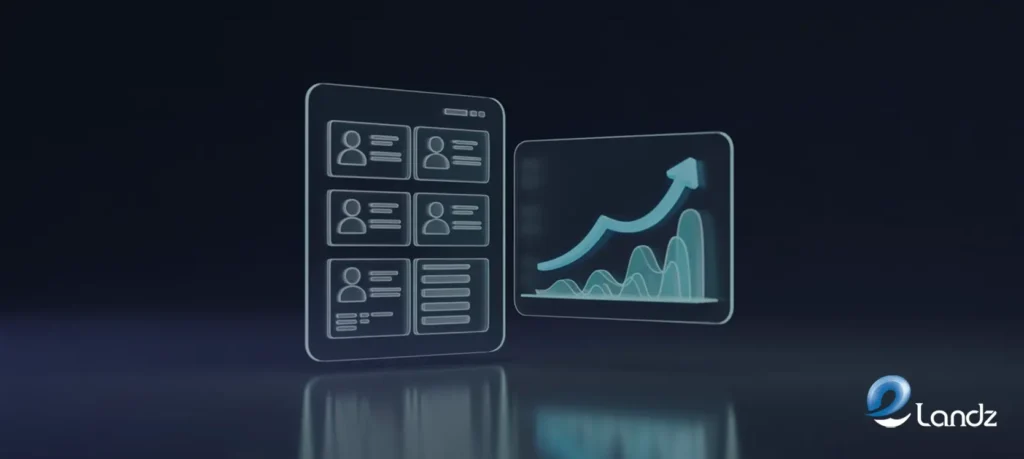
Customer relationship management systems contain goldmines of information about sales pipelines and revenue sources. Integrating CRM data into marketing automation platforms reveals which campaigns actually drive business growth. Traditional marketing metrics like clicks and impressions don’t tell the complete story. CRM integration tracks prospects through the entire journey from first touch to closed sale.
This visibility enables smarter budget allocation based on actual financial results rather than vanity metrics. Channels that produce qualified leads and sales receive increased investment. Sales and marketing teams align better when sharing unified CRM data through automation. Marketing understands which lead types sales can actually close successfully.
No-Code Platforms Democratize Automation Access
Complex automation tools traditionally required technical expertise or IT department involvement to implement. No-code platforms remove these barriers through intuitive visual interfaces that anyone can use. Drag-and-drop campaign builders make sophisticated automation accessible to non-technical users. Pre-built templates provide starting points that teams customize for specific needs.
Marketing organizations operate more efficiently when they control automation tools directly. Waiting weeks for technical resources delays campaigns and slows response to market changes. The learning curve for these platforms remains manageable even for users without technical backgrounds. The time invested in learning pays back quickly through improved marketing effectiveness and efficiency.
Preparing Your Business for Automation Success
Successful automation implementation requires strategic planning rather than random tool adoption. Start by honestly assessing your current marketing processes and identifying inefficiencies. Focus on automating high-impact repetitive tasks that consume disproportionate time and resources. Data quality determines automation effectiveness more than any other factor.
Team skills need development alongside technology adoption to maximize automation benefits. Training programs help marketers understand new capabilities and use them effectively. Phased implementation works better than trying to automate everything simultaneously. Begin with proven strategies like email drip campaigns before advancing to complex AI applications.
Conclusion
Marketing automation trends represent the future of business growth and customer engagement in our digital world. Companies investing in these technologies gain measurable advantages through increased efficiency and superior customer experiences. The choice isn’t whether to adopt automation but rather which trends deserve priority investment.
Success requires understanding both current capabilities and emerging innovations shaping the landscape ahead. AI-powered personalization, predictive analytics, and omnichannel orchestration deliver immediate value. Smart businesses approach automation strategically rather than chasing every new trend simultaneously. The marketing automation trends discussed here will define competitive advantage throughout 2025 and beyond.
FAQs
Check out this FAQ section!
Why do businesses need to automate their marketing?
It uses software to handle repetitive marketing tasks automatically without manual effort. Businesses need it because automation saves time, reduces human error, and enables personalized communication at scale.
How much does marketing automation cost for small businesses?
Marketing automation platforms range from free basic plans to enterprise solutions costing thousands monthly. Small businesses can start with affordable options like email automation tools for $20-100 per month.
Which marketing automation trends matter most in 2026-2027?
AI-powered personalization, predictive analytics, and omnichannel orchestration rank as top priorities for most businesses. Privacy-focused automation and conversion API integration have become essential rather than optional.
Can automation replace human marketers?
No, automation handles repetitive tasks but cannot replace human creativity, strategy, and relationship-building skills. The technology works best when augmenting human capabilities rather than replacing people entirely.
How long does it take to see results from marketing automation?
Simple email automation can show results within weeks through improved open and conversion rates. More complex implementations involving AI and multi-channel orchestration may take 3-6 months to optimize fully.